
Hey everyone! It’s been a while since I’ve written a new article, mostly because of welcoming two new members to the family over the past two years (a 4th kid + a dog!). However, I haven’t been completely inactive. I sold my 3090 and picked up a much slimmer ASUS RTX 3080 (yes, it’s a blower model! I love my blower cards).
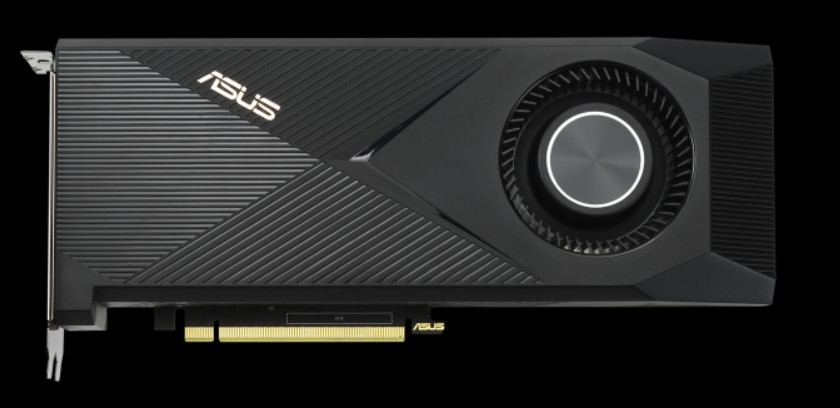
This card is a workhorse! I’ve been using it to game in 1440P and run diffusion model image generation. Although it doesn’t have nearly as many CUDA cores or as much memory as the 3090, this card still handles everything I throw at it. I expect it would struggle a bit with 4K gaming on ultra settings, but my gaming days are long behind me so I’m happy as can be.
Anyway, I thought I’d throw together a short review before moving on to more modern GPUs. Here is how the 3080 stacks up compared to the rest of the NVidia lineup I’ve tested so far:
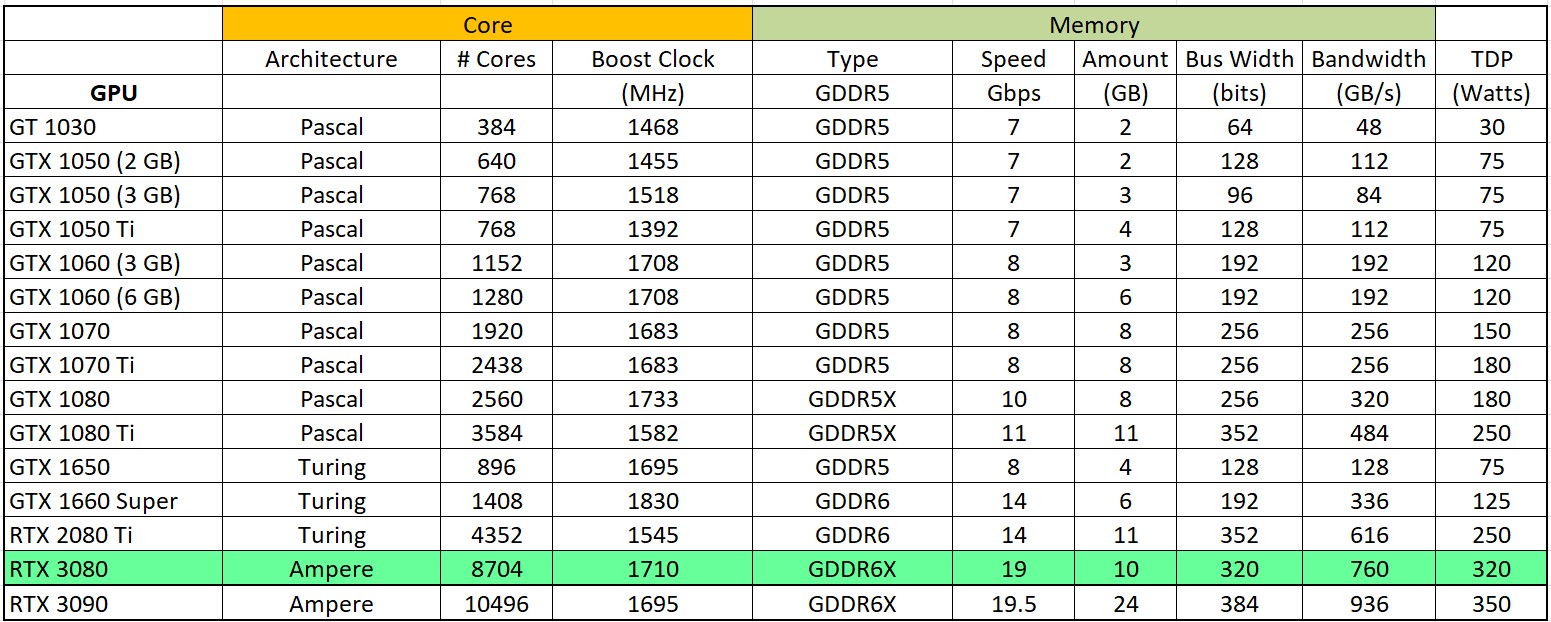
From eyeballing this chart, it appears the 3080 should be significantly slower than the 3090 in compute workloads, since it has over 1000 fewer CUDA cores and less than half the memory. However, as we’ve seen before, for the majority of molecular dynamics models, there is a point of diminishing returns after which a single model simply cannot fully exercise the massive amount of hardware available to it.
I used my AMD R9 3950X-based benchmark desktop, which admittedly is getting a little long in the tooth at 5 years old (remember all those COVID incentive check PC builds!). The point is, the hardware is consistent except for the graphics card being tested, and I’m pretty sure the monstrous 16-core flagship Ryzen 9 3950X is still more than capable of feeding Folding@Home models to modern graphics cards. All power measurements were taken with my trusty P3 Kill A Watt meter at the wall (grab one on Amazon here if you want. I don’t get anything from this link…it’s just a nice watt meter and you should definitely own one or five!)
I used the Folding@Home Version 7.6.13 Client running in Windows 10 (although I am now on 11 as I type this, so perhaps there is a Win10 vs 11 comparison in the future). The card was running in CUDA mode, although I am going to stop noting that on the plots going foreword unless I specifically run a card with and without CUDA processing enabled in the F@H client.
Side-Note: The card shows up as the “LHR” model in the vBIOS. This stands for “Lite Hash Rate”. This is a now-obsolete limiter on the card’s mining hash rate to make it less appealing to cryptocurrency miners, and has minimal effect on Folding@Home performance according to various sources.
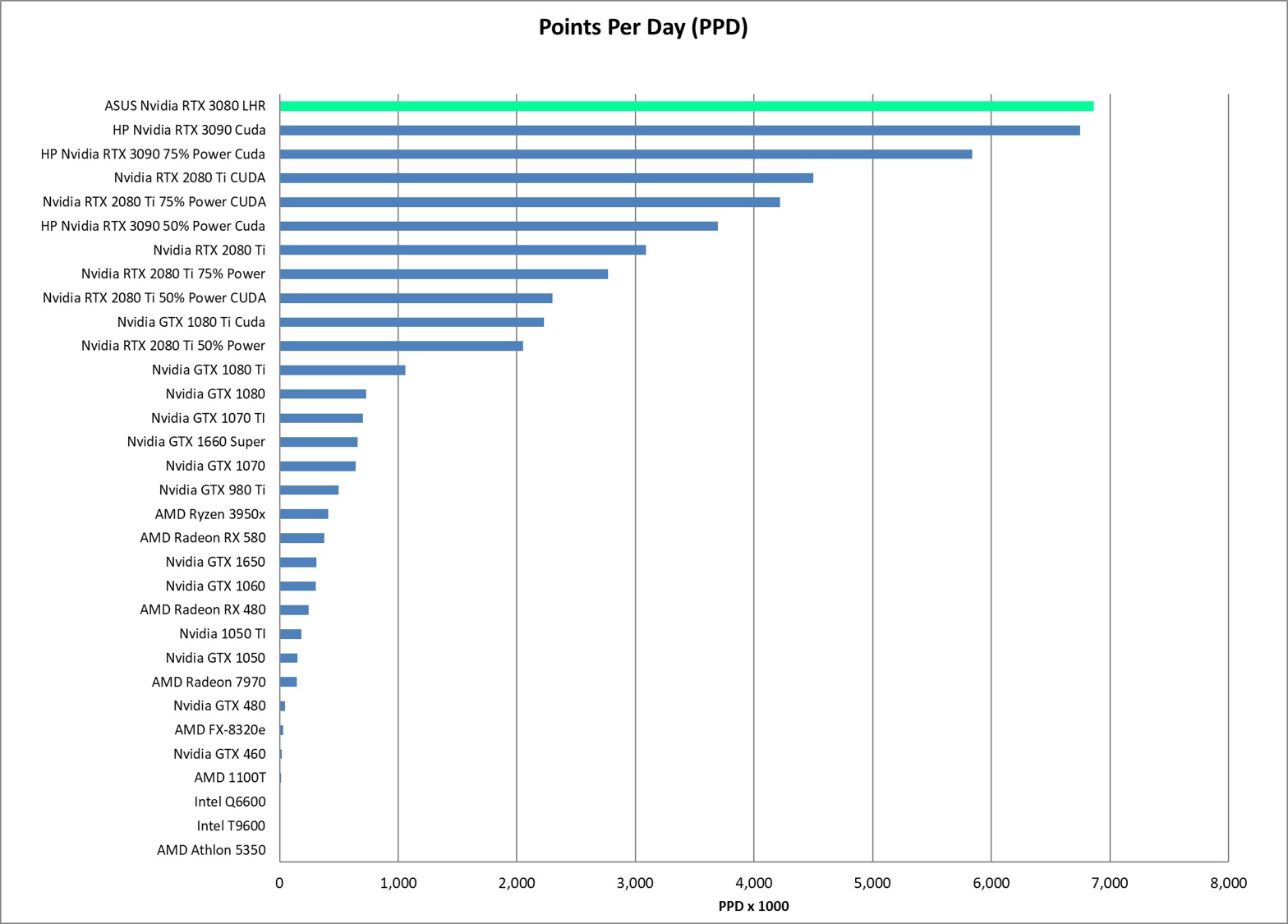
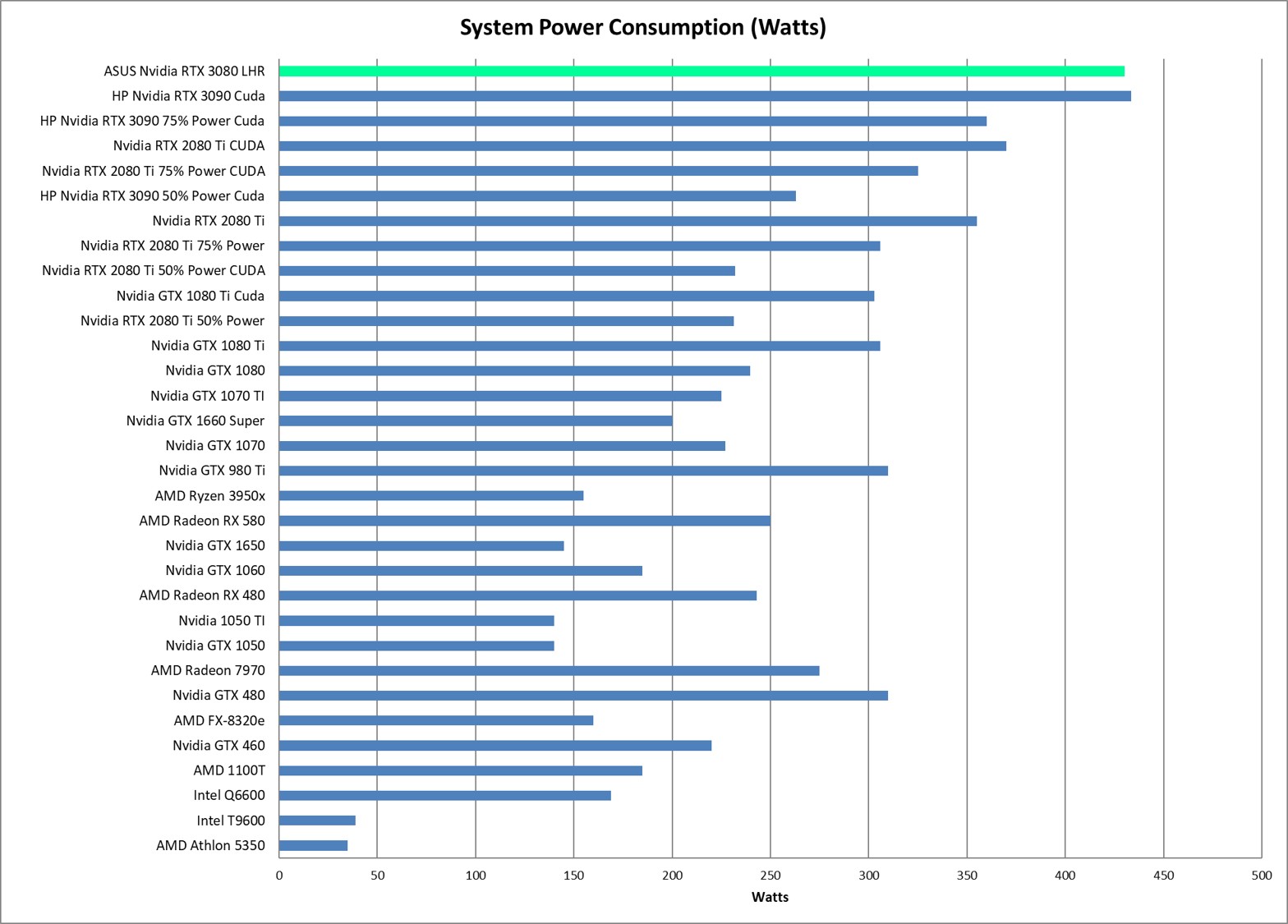
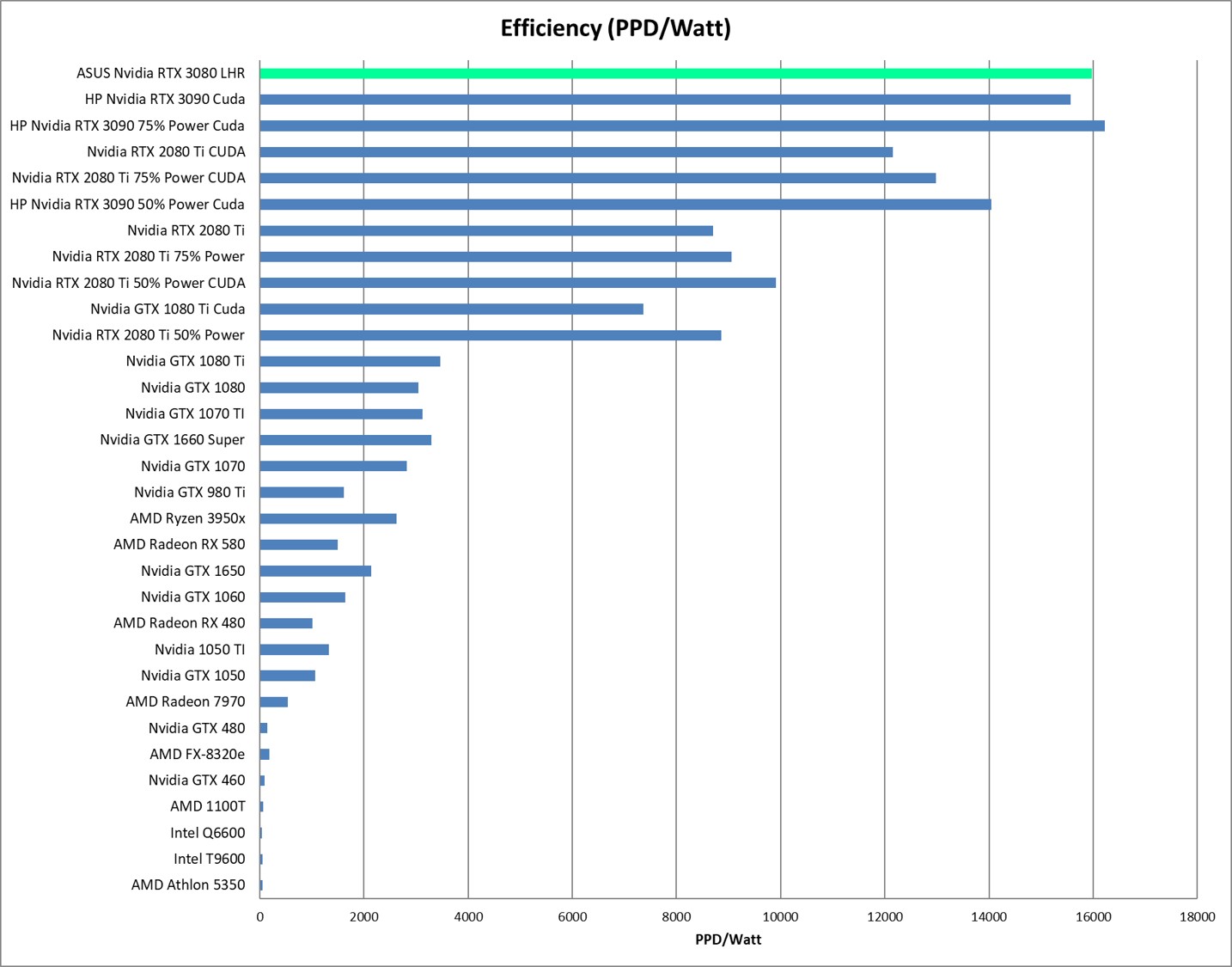
Since this is a short review, I will jump right to the Points Per Day (PPD) and Efficiency (PPD/Watt) results. They were surprising, to say the least.
Performance (Points Per Day) and System Wall Power (Watts)
Energy Efficiency (PPD/Watt)
Conclusion: RTX 3080 Beats its Big Brother!
The RTX 3080 is a great GPU for compute workloads such as Folding@Home, and actually surpasses the 3090 in terms of raw performance by a small margin (687K PPD vs 675K PPD). Now this is only a 3% difference and thus is well within the normal +/- 10 percent or so variation that we typically see when running the same series of models over and over on an individual graphics card. Thus, I think the more appropriate conclusion is to say that the 3080 and 3090 perform the same on normal-sized models in Folding@Home. I believe the models are simply not large enough at the time of this writing to fully utilize the extra CUDA cores and memory that the 3090 offers. Additionally, the slight improvement in power efficiency comes from the fact that the 3080 draws nominally 30 less watts than the 3090, making it a slightly more efficient card. Only when reducing the power target on the 3090 to 75% was I able to match the out-of-the-box efficiency of the 3090.
So, there you have it. The 3080 continues the trend of its predecessors, started by the noble 1080 TI as one of the best bang-for-the-buck computational graphics cards money can by. If you want to do some cancer-fighting with your computer on the cheap, you can pick up a used 3080 on eBay right now for about $350.


 Green Folding@Home